P PINPOST.ing STUDIO

Create Stunning Pinterest Pins Using The Latest Trending Keywords Or An Existing URL

Use these two free browser-based tools to find a specific Pinterest keyword, then turn that keyword or any URL into infographic prompts, and allow ChatGPT to create the Pin.

Find Trending Keywords Create Pinterest Prompts Go To Scheduler
Free to useBeginner friendlyNo API keys requiredKeyword or URL workflow
A Simpler Way to Create Pinterest Content

You Do Not Need to Be a Designer, Keyword Expert, or AI Expert

The free PinPost.ing Studio workflow helps you move from a rough content idea to a detailed Pinterest infographic prompt. The tools guide you through the important decisions, and ChatGPT creates the final image from the prompt you provide.

Find more specific keyword ideas from a broad topic.
Create prompts from either a keyword or an existing webpage.
Choose from 12 infographic styles designed for Pinterest.
Copy the finished prompt into ChatGPT and ask it to create the image.
The complete workflow
Start: Enter a broad topic or choose an existing webpage.
Step 1: Find a specific Pinterest keyword opportunity.
Step 2: Generate up to 12 detailed infographic prompts.
Finish: Paste a prompt into ChatGPT to create the image.
See What You Can Create

Example Pinterest Infographics Made With This Workflow

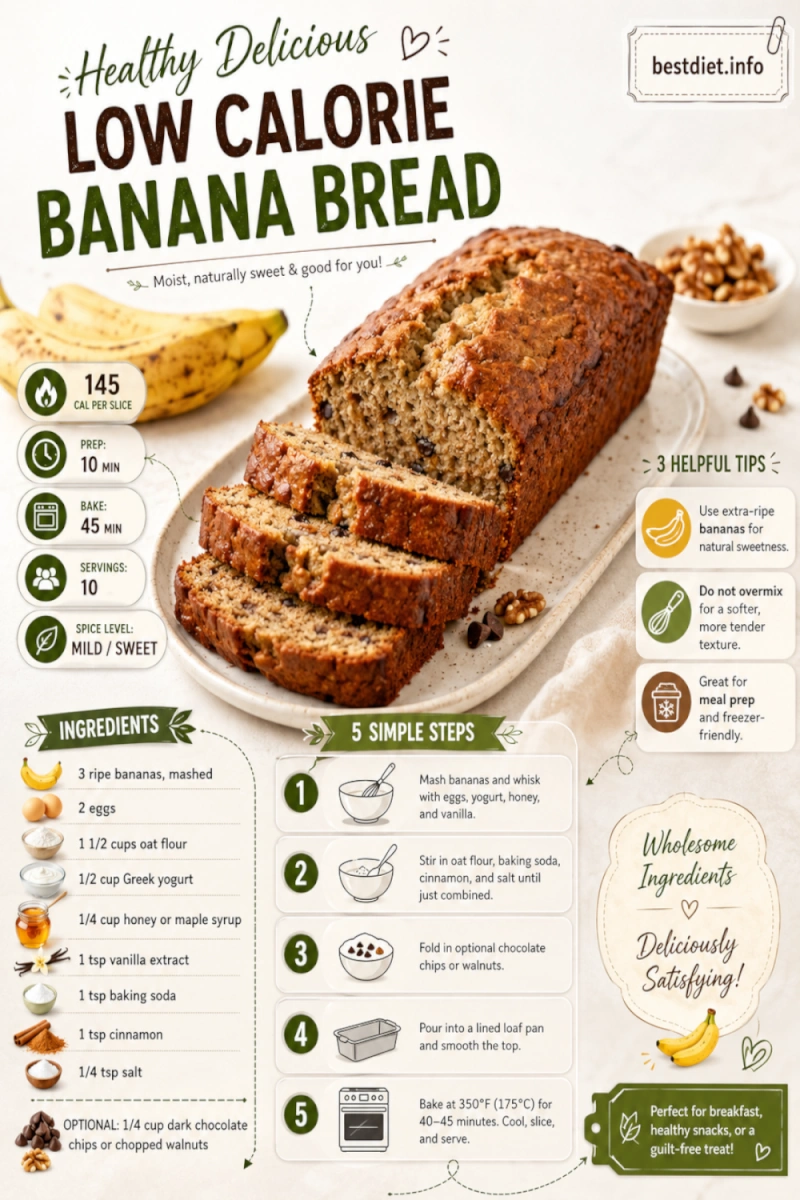
These sample Pins show the kind of polished, vertical infographic designs ChatGPT can create after you find a focused keyword or an existing URL and use one of the generated prompts.

How It Works

Two Easy Steps From Finding A Topic To Creating An Infographic Prompt

Start at Step 1 when you need a keyword idea. Go directly to Step 2 when you already have a keyword or a webpage you want to use.

1

Find a Pinterest Search-Gap Keyword

Enter a broad topic such as “healthy dinner recipes,” “small bathroom ideas,” or “Pinterest marketing.” The tool creates more specific keyword variations using audience, problem, outcome, style, timing, and content-format modifiers.

  • Generate dozens of long-tail keyword candidates.
  • Review a structural Gap Potential score.
  • See the likely search intent and suggested infographic format.
  • Copy the keyword you want to use in Step 2.
2

Generate Your Infographic Prompts

Use the selected keyword in Keyword Mode, or paste a webpage into URL Mode. Choose your goal, audience, visual direction, colors, call to action, image size, and preferred infographic styles.

  • Create one or all 12 Pinterest infographic prompts.
  • Use Keyword Mode for topics, recipes, products, and content ideas.
  • Use URL Mode for blog posts, sales pages, recipes, and landing pages.
  • Copy individual prompts or download the complete prompt set.
Choose Your Starting Point

Use a Keyword or Use a Webpage URL

Both paths end in the same place: a detailed prompt you can paste into ChatGPT Images.

Keyword Workflow

Start With an Idea, Topic, Recipe, Product, or Search Phrase

Use Step 1 when your topic is still broad. Once you find a promising phrase, place it into Keyword Mode in Step 2. This is ideal when you are planning new content and do not yet have a webpage.

URL Workflow

Start With Content You Have Already Published

Go directly to Step 2 and use URL Mode when you already have a blog post, recipe page, product page, affiliate page, sales page, or landing page. The generated prompt instructs ChatGPT to analyze that page before creating the infographic.

What You Need

Only a Few Things Are Required

1A Topic, Keyword, or Webpage

Start with a rough topic in Step 1, or bring your own keyword or publicly accessible webpage to Step 2.

2A ChatGPT Account

You need access to ChatGPT with image-generation capability to turn the generated prompt into the finished infographic image.

3A Few Minutes to Review

Always check spelling, facts, branding, URLs, and image text before publishing a generated infographic on Pinterest.

Features and Benefits

Designed to Make Pinterest Content Creation Less Complicated

Begin With a More Specific Idea

Move beyond broad topics and discover narrower content angles that are easier to turn into focused Pins.

Generate 12 Creative Directions

Create Curiosity Gap, How-To, Listicle, Before-and-After, Comparison, Quick Tips, and other prompt styles.

No API Setup

The free pages run in your browser. You do not need a Pinterest API key or a ChatGPT API key.

Use Existing Content Again

Turn a blog post, recipe, affiliate page, or landing page into new Pinterest infographic concepts using URL Mode.

Control the Look and Goal

Select the audience, tone, colors, visual style, CTA, dimensions, and infographic formats before generating prompts.

Save Time Without Giving Up Control

The software structures the prompt, while you still choose the topic, message, design direction, and final image.

Simple Example

See How One Broad Topic Becomes a Finished Image Prompt

Broad topicHealthy dinner recipes
Step 1 keywordHigh-protein healthy dinners under 500 calories
Step 2 outputUp to 12 detailed Pinterest infographic prompts ready to paste into ChatGPT Images
See What You Can Create

Example Pinterest Infographics Made With This Workflow

These sample Pins show the kind of polished, vertical infographic designs ChatGPT can create after you find a focused keyword or an existing URL and use one of the generated prompts.

Frequently Asked Questions

Questions New Users Often Ask

Are Step 1 and Step 2 really free?

Yes. The keyword finder and infographic prompt generator are free browser-based features. You may still need a ChatGPT plan that includes image generation, depending on the features available in your ChatGPT account.

Do these pages create the finished infographic image?

No. They create the detailed prompt. You copy that prompt into ChatGPT and ask ChatGPT Images to generate the finished infographic.

Do I need a Pinterest account?

You do not need a Pinterest account to use the two free tools. You will need one when you are ready to upload or publish the finished Pin.

Do I need a Pinterest or ChatGPT API key?

No. The free tools do not connect directly to either service. They create text and prompts locally in your browser.

What is a Pinterest search-gap keyword?

In this workflow, it is a specific long-tail keyword candidate that may represent a less obvious content angle. The score is based on structure, specificity, intent, and Pinterest suitability—not verified live search volume or competition data.

When should I use Keyword Mode?

Use Keyword Mode when you have a topic, recipe idea, product keyword, how-to phrase, niche concept, or a keyword selected in Step 1.

When should I use URL Mode?

Use URL Mode when you already have a public blog post, recipe page, product page, affiliate page, sales page, or landing page that ChatGPT can analyze.

Can I generate all 12 prompts?

Yes. All 12 infographic styles are selected by default, and you can deselect any styles you do not need.

Should I publish the image exactly as AI creates it?

Review it first. Check every word, fact, number, URL, brand element, and visual detail. Regenerate or edit the image when anything is inaccurate or difficult to read.

What happens after I create the Pins?

You can upload them manually to Pinterest. PinPost.ing is being positioned as the paid scheduling layer for organizing finished Pins, assigning boards, building queues, and publishing consistently.
Free Access and Updates

Get the Two-Step Pinterest Infographic Workflow

Enter your email to receive access links, beginner instructions, workflow updates, and practical tips for turning keyword ideas into Pinterest infographic content.

  • Step 1 keyword finder access
  • Step 2 infographic prompt generator access
  • Beginner-friendly usage instructions
  • PinPost.ing product and scheduling updates

This demonstration form is ready to be replaced with your Systeme.io embed or connected form action. Do not publish it as a live opt-in until that connection is added.

Form layout confirmed. Connect your Systeme.io form before publishing.
Ready to Begin?

Choose the Step That Matches What You Already Have

Start with Step 1 when you need help finding a keyword. Go directly to Step 2 when you already have a keyword or webpage URL.